

High-Risk Summer Hobbies and How They Affect Your Life Insurance Rates

Last updated on: August 18, 2026
Quick Answer: High-risk summer hobbies like scuba diving, skydiving, rock climbing, and powerboat racing can raise your life insurance premium — but they rarely disqualify you. Insurers classify these as ‘hazardous avocations’ and may add a surcharge (often a few dollars per $1,000 of coverage) or, for the most extreme activities, an exclusion. Occasional, certified, well-equipped participation often results in standard rates. Because every carrier rates these activities differently, comparing quotes is the key to a good rate.
Living on the Edge: How Does It Affect Your Life Insurance Rates?
Living on the edge can be exhilarating for some, satisfying our adventurous side and need for speed! But the adrenaline rush you get from high-risk hobbies such as skydiving, mountain climbing, helicopter skiing, or power racing could end up costing you more for your life insurance policy. The reason is that life insurers classify some of those activities as “hazardous avocations,” which can put your life at risk, and thus become a financial liability to them.
Remember, life insurance companies are betting on your longevity —the longer you live, the less likely they are to have to pay a death claim. That is why they reward young, healthy people with the best rates based on a long life. So, carriers worry that living “out loud”, with risky behavior, equates to gambling with your life— Ironically, statistically you are more likely to die in a car accident than while scaling a mountain — but these are the guidelines insurers live by.
Which leads us to the crux of the matter… the activities that are considered “extreme” or “hazardous” vary in both definition and by carrier. That is why it is critical that these sports enthusiasts apply for coverage with a savvy life insurance agent who can guide them as to which company to choose.
Get your Free Quote and see for yourself how affordable life insurance is!
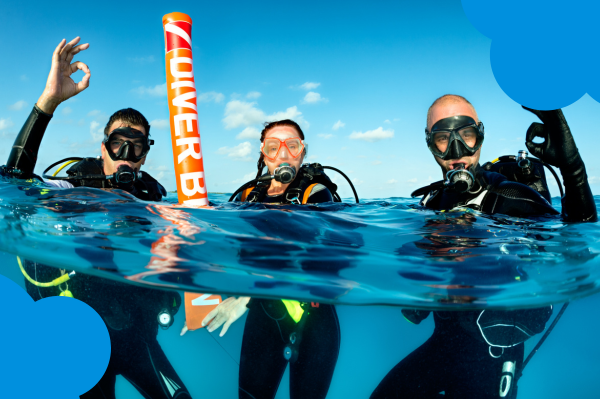
High Adrenaline, High Risk
Here is a list of some high-risk avocations that may impact the cost of your life insurance:
- Rock/Mountain Climbing/Trekking 10,000+ feet
- Deep Sea Diving
- Power Racing (auto, motorcycle, boat)
- Bungee Jumping (frequent)
- Helicopter Skiing/Snowboarding
- Big-Wave Surfing
- Skydiving (not a one-time thrill jump but frequent jumps)
- General Aviation (small, private plane amateur pilots)
- Competitive Boxing/Martial Arts
- Big-Game Hunting
This is not a definitive list, just a sampling; there are other activities that might be considered risky or “extreme” with a variety of factors life insurance companies weigh to come up with a premium that’s proportional to the financial liability. The decision is made on a case-by-case basis on the strength of the details you provide. Here are a few sample questions they might ask you:
- Aviation: Are you a student pilot; amateur; how many hours flown in the last 2 years; details of the aircraft
- Auto racing: Frequency/number of races in the past 12 months; maximum speed; type of vehicle
- Scuba Diving: Depth of the dives, location, frequency
- Mountain/Rock Climbing: Height, location (e.g., Colorado vs. Mt. Everest), solo or guided
- Skydiving/parachuting: Number of jumps, location, professional stunt jumper
- Heli-Skiing/Backcountry Skiing: Location, frequency, protective gear (e.g., helmet, GPS)
- List any past accidents
Depending on your answers, the underwriter may decide to assign you a “rated” policy with “extras”, or even provide “exclusions” for the avocation. The latter means that you will be granted the policy, but the insurance company is off the hook for the death benefit payout if you die while doing the extreme sport. Before that were to happen, you would have to fill out a very detailed questionnaire relating to that avocation.
On the other hand, you stand a good chance of qualifying for a normal “standard” insurance rate if you rarely participate in these activities and prove that you have the necessary certifications or training. For instance, a certified scuba diver who takes an occasional diving trip at a maximum depth of 50-feet, will not have to pay extra for a policy. Remember, not all insurance companies have the exact same guidelines on risk factors— be it for high blood pressure, diabetes, elevated cholesterol, or even obesity. An experienced life agent will know the different carriers’ tolerance levels and leniency for these conditions, as they will for occupational or hobby hazards.

The Price of Risky Business
If you are an extreme sports aficionado, insurers may tack on an extra “surcharge” to your rate classification. The pricing factor related to occupational risk can be an extra $2-$10 for every $1,000 of your policy.
Applying this formula to a $500,000 term life policy on today’s underwriting standards, the breakdown of what you might pay annually in extra premiums for“ hazardous avocations” is as follows:
- Deep Sea Diving: $2,500
- Motor racing: $1,000
- High Altitude Mountain/Rock Climbing: $1,500- $2,500
- Hang gliding/Sky Diving (dozens of jumps yearly): $2,000
- Heli-Skiing/Snowboarding: $1,250- $2,500
- Game Hunting: $500
And then there are activities considered so dangerous some insurers might refuse coverage to applicants:
- Ice Climbing
- Mountaineering Beyond U-S Borders
- BASE Jumping (parachuting/wing-suit flying from cliffs)
- Cliff Diving (high altitude)
- Deep Sea Diving (caves, sunken ships, wrecks, deeper than 150 feet)
If your thirst for adrenaline makes you ineligible for life insurance, some insurers might still consider offering you coverage with a critical caveat— by imposing a policy exclusion specific to your activity, stating that if you die while participating in the sport, your beneficiaries will be ineligible for the death benefit.
Insurers are not out to spoil your fun but they have to hedge their bets to equate the premiums you will be charged to the real-life experience the company or industry has had with insuring people of your similar lifestyle. This way they can charge you a “realistic” rate that is equal to the risk you pose of a future or premature death claim. If you live an active, healthy lifestyle, with a good medical record, and positive family health history, you will not be penalized, and instead rewarded with the best rates. But high risk comes with a price so we advise you to delve into the insurance application with truthfulness in disclosing your lifestyle.

The Best Lie is the Truth
Lying on a life insurance application by failing to disclose hazardous hobbies is another level of risk. Remember, this coverage is not for you, but rather for the protection of the people you love and leave behind. Fibbing about your risky business could invalidate your death payout to beneficiaries if the insurer finds out that you lied at the time you applied.
Your life insurance policy is a contractual agreement between you and the company. Misrepresenting material facts to the insurer could void the contract.
- Material Misrepresentations, Omissions, Concealment of Facts. A policyholder who dies in the first two years of coverage can have their death investigated by the insuring company. If they discover that you withheld key information about an extreme/hazardous avocation, your claim and payout to your beneficiaries can be denied, regardless of whether or not your death was related to that risky behavior.
- Fraud. Lying about something that might have made you ineligible for life insurance coverage can also result in denial of your death claim.
Better to play it safe and be honest on your application because as we said there are many levels to what is considered life-threatening risk in many of these so-called hazardous hobbies. So, an occasional adventure will likely not cost you a penny.
We have had clients ask “what happens if they take up one of these activities after they buy a life insurance policy?” The answer is it will not affect your coverage. The insurer can only judge you on your health, age, and lifestyle up to the moment they approved your policy. That is why a level term life policy can be so inexpensive when you’re younger and healthy. Those premiums remain exactly the same for the entire 10, 20, or 30 years of the life of the policy. You cannot be charged more even though you are older (shortening your life expectancy) or develop an illness that could also shorten your life.
The bottom line is we hope you live life to the fullest and seize the day. We don’t want to be party poopers but want you to be educated and aware of what life insurance companies are looking for in assessing risk. The more you know, the better prepared you will be to take on the life insurance process with a confident, and realistic attitude.
If you have any questions regarding term life insurance and life insurance in general, you can leave a comment below. You can even check out our life insurance blog where you will find ton of useful information related to life insurance.
Note: We are proud to announce that our LifeQuote insurance blog has been selected as one of the Top 50 Life Insurance Blogs on the web.
If you engage in any of the dangerous hobbies listed above and are looking for affordable life insurance rates, then give us a call. Our experienced insurance agents at LifeQuote will guide you through the right process and help you find a policy that meets your needs and budget.
What If You Take Up a Hobby After Buying a Policy?
Clients often ask what happens if they take up one of these activities after buying a policy. Good news: it won’t affect your coverage. The insurer can only assess you based on your health, age, and lifestyle up to the moment they approved your policy. That’s why a level term life policy is so valuable when you’re young and healthy — your premiums stay exactly the same for the entire 10, 20, or 30-year term, even if you later take up scuba diving, develop a health condition, or simply get older.
The bottom line: live life to the fullest and seize the summer. We just want you educated about what insurers look for, so you can approach the process with a confident, realistic attitude. If you engage in any of these hobbies and want affordable life insurance rates, give us a call at (800) 521-7873 — our agents will help you find a policy that fits your life and your budget.
Frequently Asked Questions: High-Risk Hobbies and Life Insurance
Do high-risk hobbies raise your life insurance rates?
They can, but not always. Insurers classify certain activities — scuba diving, skydiving, mountain climbing, powerboat racing — as hazardous avocations and may add a surcharge based on how often and how intensely you participate. Occasional, certified, well-equipped participation often results in standard rates. The most extreme activities may trigger an exclusion rather than a higher price.
Can I get life insurance if I scuba dive or skydive?
Yes. Most divers and skydivers can get coverage. Casual recreational scuba divers who stay within standard recreational depths often pay standard rates. Frequent or technical divers, and frequent skydivers, may see a surcharge or an activity-specific exclusion. Because carriers rate these activities very differently, comparing quotes across insurers is the key to the best outcome.
Will my rates go up if I start a risky hobby after buying a policy?
No. With a level term policy, the insurer assesses you only as of the date they approved your coverage. If you take up a high-risk hobby afterward, your locked-in premium stays the same for the full term. This is one of the advantages of buying coverage while you’re young and healthy.
What summer activities affect life insurance the most?
The activities with the biggest impact tend to be frequent skydiving, technical or deep scuba diving, high-altitude or international mountaineering, powerboat and motor racing, and amateur aviation. More casual versions of these — an occasional certified dive, a guided climb — usually have minimal or no impact.
Do I have to tell my insurer about my hobbies?
Yes — always disclose hazardous hobbies truthfully on your application. Failing to do so is considered material misrepresentation and can cause your beneficiaries’ claim to be denied, even if your death was unrelated to the activity. Honesty protects the people the policy is meant to protect.
How do I get the best rate with a high-risk hobby?
Work with an independent agent who knows which carriers are most lenient toward your specific activity, document your certifications and safety training, and be precise about frequency and conditions (depth, altitude, number of jumps). Because each insurer rates hazardous avocations differently, comparing multiple carriers is the single most effective way to find a competitive rate.
References
1 National Highway Traffic Safety Administration. “Traffic Safety Facts.” NHTSA.gov. [Editor: original cited 2016 data; update to current NHTSA fatality figures.]